
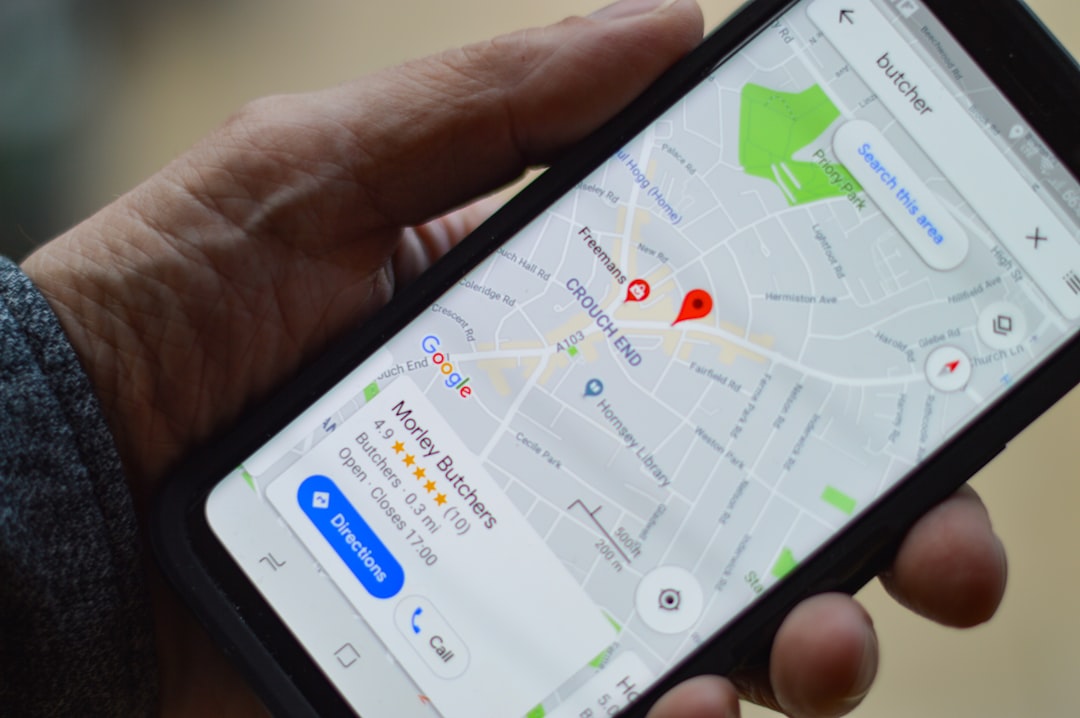
When someone in Whangarei pulls out their phone and searches for a plumber, a cafe, or a landscaper, Google decides in a split second who gets seen and who gets skipped. For small businesses and trades, that moment is everything. If your business isn't appearing in those local results, the phone stays quiet and the enquiries go elsewhere.
The good news is that local SEO isn't some mysterious black art reserved for big companies with big budgets. With the right foundations in place, any small business can improve its visibility in local search and start attracting more of the right customers. Here's what actually works in 2026.
Start With Your Google Business Profile
Your Google Business Profile (formerly Google My Business) is the single most important tool for local search visibility. It's what powers the map results and the little info panel that appears when someone searches for your business by name. If you haven't claimed and fully completed your profile, that's the very first thing to fix.
A strong profile includes:
- Accurate business name, address, and phone number that matches exactly what's on your website
- Your correct business category so Google knows what searches to show you for
- Opening hours kept up to date, including public holidays
- Photos of your work, your team, or your premises updated regularly
- A short business description that naturally includes what you do and where you're based
Businesses that keep their profiles active and updated consistently outperform those that set it up once and forget about it. Google rewards engagement, so treat your profile like a living part of your marketing.
Key insight: Businesses with complete Google Business Profiles are significantly more likely to be considered reputable by customers and more likely to appear in the local map pack results.
Reviews Matter More Than Most Business Owners Realise
Google reviews do two important things. First, they build trust with potential customers who are deciding whether to call you or scroll past. Second, they signal to Google that your business is active, legitimate, and valued by real people in your community.
For local businesses in Northland, including those in Whangarei, getting a steady flow of genuine reviews from happy customers can make a noticeable difference to where you show up in search. You don't need hundreds of reviews overnight. Consistency is what counts.
A simple approach that works well:
- Ask customers directly after a job or visit, while the experience is still fresh
- Send a follow-up text or email with a direct link to your Google review page
- Make it easy by removing any extra steps between the customer and the review form
- Always respond to reviews, both positive and critical, in a professional and genuine way
Responding to reviews also signals to Google that you're an engaged business owner, which contributes positively to your local ranking.
Your Website Needs to Speak the Local Language
A website that doesn't mention where you operate isn't doing its job for local SEO. Google needs location signals throughout your site to understand who you serve and where. This doesn't mean cramming place names into every sentence, but it does mean being deliberate about including them naturally.
For a Whangarei tradesperson or service business, this might look like:
- Mentioning the areas you service clearly on your homepage and contact page
- Having a dedicated service area page or suburb pages if you cover a wider region
- Including your full address in the footer of every page
- Using page titles and meta descriptions that reference your location and service
Your website and your Google Business Profile should tell the same story. Consistency across both builds trust with Google and with the customers who find you.
Key insight: Adding a clearly written service area section to your homepage is one of the quickest wins for improving local search relevance, especially if your site currently makes no mention of where you operate.
Local Links and Citations Still Carry Weight
When other reputable websites mention your business name, address, and phone number, it reinforces to Google that you're a legitimate local business. These mentions are called citations, and they matter particularly for businesses in smaller or regional markets.
Start by making sure your business is listed accurately on the directories and platforms that matter most in New Zealand, such as Finda, Yellow, and any local or industry-specific directories relevant to your trade. Inconsistencies between listings, like a slightly different phone number or an old address, can quietly work against you.
Getting a mention or link from a local business association, a regional news site, or a community organisation in your area can also give your local SEO a meaningful boost without requiring a huge investment of time or money.
Putting It All Together
Local SEO isn't about quick tricks or gaming the system. It's about making sure Google has clear, consistent, and compelling signals that your business serves real customers in a specific place, and doing that better than your competitors are right now.
For most small businesses, the biggest wins come from getting the basics right and staying consistent over time. That means an active Google Business Profile, a steady flow of genuine reviews, a website that speaks clearly about where you operate, and accurate listings across the web.
If you're a business owner in the Northland region and you're not sure where your local SEO currently stands, PinPoint Local AI works with small businesses across New Zealand to build visibility that brings in real enquiries. You can find out more at pinpointlocal.ai.
Further Reading
- Local SEO & AEO — get found on Google and AI search
- Free Digital Growth Check — instant audit of your online presence
- Digital Marketing — grow your audience and generate more leads
Want to Know Where Your Business Stands?
We'll audit your website, Google Business Profile, and AI search visibility for free. You'll get a plain-English report on what to fix first.
Get My Free AI Visibility Audit